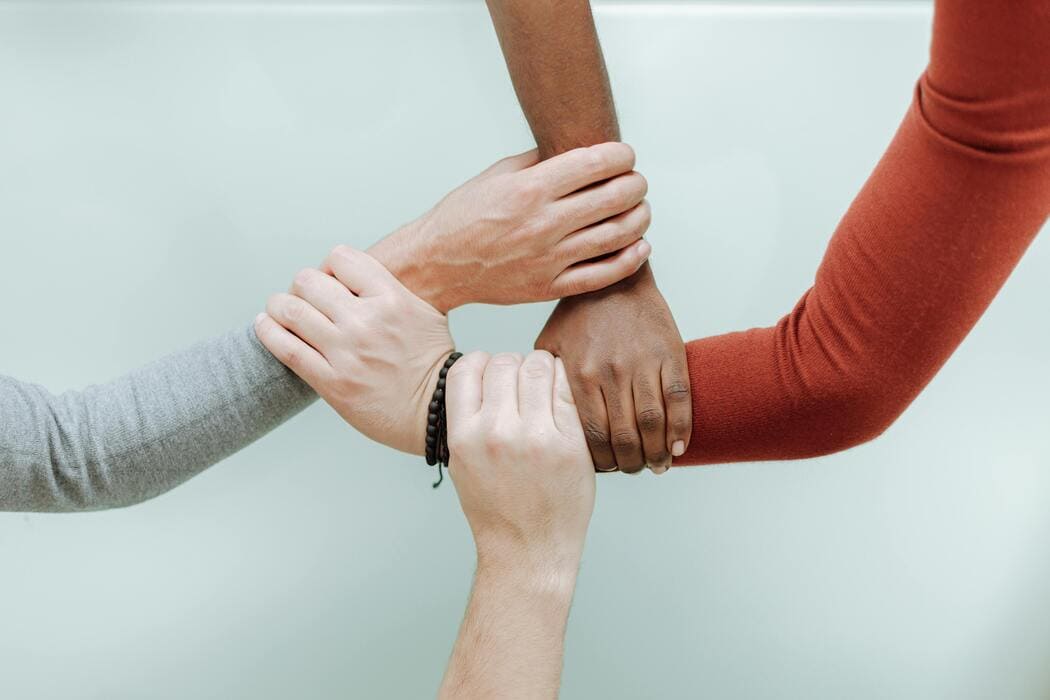
Meeting new people used to feel natural: you went to school, work, parties, or events, and connections just happened. Today, even with all the apps, platforms, and tools we have, forming genuine new relationships can feel strangely difficult. If you’ve ever wondered why expanding your circle feels like a frustrating uphill climb, you’re not alone—and it’s not just “in your head.”
1. Modern Life Leaves Little Space for Organic Connection
Most adults are juggling careers, side hustles, errands, family obligations, and an always-on digital life. Our schedules are heavily structured, which means “unplanned time” for meeting people—like chatting at a café, lingering after a class, or attending a community event—keeps shrinking. When your calendar is packed, socializing starts to feel like another task instead of a natural part of your day.
This time pressure creates a paradox: the more we need meaningful connection for our mental health and happiness, the less time and energy we have to seek it. As a result, many people default to interacting only with coworkers, partners, or their existing circle, leaving little room for new faces and fresh perspectives.
2. Digital Convenience Can Make Us Socially Rusty
Online tools have made many things easier—whether that’s ordering food, working remotely, or managing money. We automate, outsource, and systematize tasks so we can “focus on what matters,” but one side effect is fewer real-world interactions. For example, someone running a small freelance business might use an online invoice generator free pdf tool and send everything by email, instead of meeting clients in person or even hopping on a call. The work gets done faster—but opportunities to build trust, rapport, and personal connection quietly disappear.
Over time, reduced face-to-face interaction can make casual conversation feel awkward and high-stakes. If you’ve caught yourself overthinking what to say, replaying social moments, or feeling drained after small talk, you’re likely experiencing the social “rust” that comes from living too much behind screens.
3. Social Media Creates an Illusion of Connection
Social platforms are designed to keep you scrolling, liking, and reacting. They simulate connection: you see people’s lives, comment on posts, and exchange quick messages. On the surface, it looks like a busy social world—but emotionally, it can feel thin and unsatisfying. Watching stories isn’t the same as being part of someone’s story.
This can trick your brain into thinking you’re more socially connected than you are. When you feel lonely, you might open an app instead of reaching out to someone directly or going somewhere you could meet new people. Over weeks and months, this habit decreases the number of genuine, in-depth interactions you have and makes your offline network feel smaller and more static.
4. Many Adults Lack Built-In Social Structures
In childhood and early adulthood, making friends is often woven into daily life: school, university, clubs, and shared activities create constant chances to meet people. As an adult, those structures often disappear. You may work remotely, commute in isolation, or spend most of your time in environments that don’t naturally foster new connections.
Without built-in communities, meeting new people requires deliberate effort—signing up for classes, going to meetups, volunteering, or joining interest groups. That level of initiative can be hard to sustain, especially if you’re tired, anxious, or unsure where you “fit.”
5. Fear of Rejection Is Amplified in a Hyper-Curated World
Online, people present carefully edited versions of their lives: best photos, best moments, best stories. Being constantly exposed to polished images can make you feel like everyone else is more confident, more social, and more successful at relationships than you are. Approaching new people can then feel riskier, because you assume they’re comparing you with those unreal standards.
This fear of not being interesting, attractive, or successful enough often shows up as hesitation: you don’t start conversations, you don’t follow up, you don’t accept invitations, or you talk yourself out of going to events. The result is a self-fulfilling loop—fewer attempts mean fewer connections, reinforcing the belief that meeting people is “hard” or “not for you.”
6. High Mobility Means Relationships Feel Less Stable
People relocate more than ever for jobs, education, or lifestyle reasons. While this creates exciting opportunities, it also means communities are more transient. You may hesitate to invest in getting to know someone deeply if you suspect one of you will move soon. Similarly, if you’ve had close friendships disrupted by distance, you might feel protective of your time and heart, becoming selective to the point of isolation.
On top of that, constant change in cities and neighborhoods can erode the sense of long-term belonging. When places don’t feel stable, people often don’t either, which makes starting new connections feel less safe and more temporary.
7. Emotional Burnout Makes Socializing Feel Like Work
Many people are dealing with background stress: financial worries, health concerns, information overload, and the pressure to constantly “optimize” their lives. When your emotional battery is already low, putting yourself out there socially can feel exhausting instead of energizing.
You might cancel plans, avoid invitations, or stick strictly to familiar people and routines. While this can feel protective in the short term, it slowly shrinks your world. Over time, a lack of new connections can deepen feelings of isolation—even if you’re technically “busy” and constantly interacting with others in a shallow way.
8. We Expect Instant Chemistry Instead of Gradual Connection
Dating apps, networking tools, and recommendation algorithms subtly shape our expectations. If we can swipe, filter, and match quickly, we start to expect that relationships should “click” just as fast. When real-world conversations feel imperfect, slow, or awkward, it’s easy to conclude that “there’s no connection” and move on too quickly.
In reality, most strong friendships and meaningful professional relationships grow over repeated, ordinary interactions. Expecting instant chemistry adds pressure to first meetings, makes small talk feel like a test, and turns natural human awkwardness into a false sign of incompatibility.
Conclusion: Making Connection Easier, One Small Step at a Time
If meeting new people feels harder than you think it should, you’re experiencing the combined effects of busy schedules, digital habits, emotional burnout, and shifting social structures—not a personal failure. The good news is that small, intentional changes can make a real difference: allowing a little unstructured time in your day, saying yes to one local event, following up after a brief conversation, or choosing one offline activity where you can show up regularly.
You don’t need to become an extrovert or master networker. You only need to create a few more chances for real-life interaction and give relationships time to grow. In a world full of surface-level connection, even modest efforts toward depth and consistency can set you apart—and slowly, the process of meeting new people begins to feel more natural, less intimidating, and genuinely rewarding again.